Dog Art: A Canine-Inspired Font
Choosing the right font for a project can feel like selecting the perfect accessory for an outfit—something that complements the overall look without overpowering it. When I was redesigning the header for a lifestyle blog focused on pet care, I found myself drawn to Dog Art, a decorative font with a canine theme. Its playful yet refined character offered a fresh approach to editorial design, blending personality with purpose.
The Visual Character of Dog Art
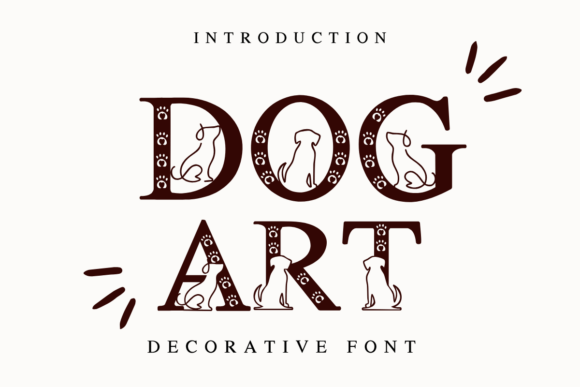
Dog Art has a whimsical energy that feels both handcrafted and intentional. The letterforms are slightly irregular, with soft curves and subtle variations that suggest a handwritten touch. This gives the font a warm, approachable quality, making it ideal for projects that aim to evoke a sense of charm or nostalgia. The rhythm of the characters is smooth, allowing them to flow naturally across a page or screen.
Its personality leans toward friendly and expressive, but it avoids being overly casual. This balance makes it suitable for a range of editorial applications, from blog headers to cover designs. The mood it conveys is light and inviting, which aligns well with content that aims to engage readers in a relaxed, positive way.
Real-World Applications of Dog Art
I tested Dog Art in several layouts, starting with a recipe ebook. For the title page, it added a unique flair that felt just right for a collection of homemade dishes. In a wedding guide, it worked well as a section heading, drawing attention without disrupting the flow of information. As a pull quote in an editorial layout, it provided a visual anchor that stood out against a clean serif body text.
For a printable planner, Dog Art was effective as a decorative accent, adding a personal touch to daily prompts and goals. In a coaching workbook, it served as a chapter opener, giving each section a distinct identity. These examples highlight how the font can be used flexibly, depending on the project’s tone and audience.
Readability and Practical Considerations
While Dog Art excels in display settings, it’s important to consider its readability in longer text. On screens, especially smaller ones, the intricate details of the letters can become less legible, making it unsuitable for body copy. However, in titles, headings, and short phrases, it maintains clarity and visual impact.
When used in print materials, such as brochures or business cards, Dog Art adds a distinctive touch that reinforces brand identity. For digital publications, it works best in large sizes or as part of a design element rather than as a primary text font. Pairing it with a more traditional typeface, like a serif or sans serif, helps maintain contrast and hierarchy.
Font Pairing and Design Integration
Pairing Dog Art with other fonts can enhance its effectiveness. For instance, combining it with a classic serif font like Georgia or Times New Roman creates a balanced look that’s both elegant and readable. In a newsletter, using it for headlines while reserving a clean sans serif for body text ensures that the design remains functional and visually cohesive.
In packaging design or social media graphics, Dog Art can serve as a strong logo or title font, reinforcing a brand’s personality. For web design, it’s best used sparingly, such as in hero sections or call-to-action buttons, where its visual appeal can be maximized without compromising usability.
Limitations and Best Practices
There are scenarios where Dog Art may not be the best choice. It’s not ideal for dense paragraphs, small captions, or formal reports where clarity and neutrality are key. In these cases, a more structured typeface would be preferable. However, for projects that prioritize creativity and style, Dog Art offers a compelling alternative.
Before incorporating Dog Art into a project, it’s wise to review its available styles, ligatures, and multilingual support. Checking the licensing terms is also essential, especially if the font will be used in commercial contexts like ebooks, templates, or client work. Ensuring compatibility with design software and file formats can prevent unexpected issues down the line.
As a designer, I appreciate fonts that bring character and emotion to a layout. Dog Art does this in a way that feels authentic and thoughtful. Whether it’s for a lifestyle blog, a digital magazine, or a creative project, it offers a unique voice that can elevate the overall aesthetic without overwhelming the reader.